Viewing 5 - 8 out of 16

Vision Topics
Vision Therapy Programs
Prisms
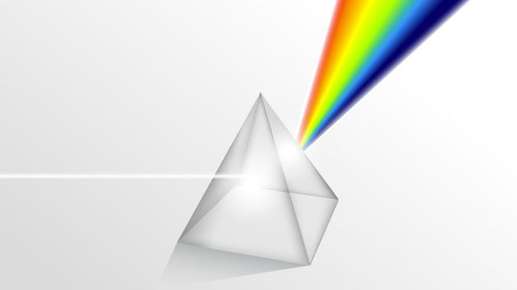
A prism has the same cross-section across the entire length of its shape. When used in eyeglasses, they often correct abnormalities associated with nearsightedness, farsightedness and double vision. Eyeglasses, or corrective lenses, reduce or increase the size of the image based on the eyes’ ability

Vision Therapy Programs
Balance Board
The brain and the eyes work together to create a visual experience. On one hand, the eyes send signals to the brain, which allows it to translate that data into visuals; on the other, the brain sends signals to the muscles attached to each eye, controlling their movements. If anything disrupts these

Vision Therapy Programs
Corrective Lenses
Corrective lenses are used to correct deviations, adjust focal points or neutralize other anomalies that impact the eyes’ ability to focus an image on the retina. To do this, the lenses must be the correct type and of the right power. Strength – which is expressed as diopeters – relies on the material

Vision Therapy Programs
Training Devices
Visual-motor-sensory integration training uses various devices to appeal to a person’s senses, including touch, sound and smell. This type of therapy is particularly useful in children with autism. Devices may include play dough, rubber toys, weighted bells and blankets, water, rice, sand, beans, musical
Form Placeholder

We help individuals protect and restore their vision through personalized eye care, so you can see clearly and get back to enjoying the things you love with confidence.
EXPLORE
OUR LOCATION
711 S Howard Ave
Tampa, FL 33606
Tampa, FL 33606
6152 Delancey Station St Ste 101
Riverview, FL 33578
Riverview, FL 33578
(813) 643-7300